Should the job use a cable machine or hydro jetting?
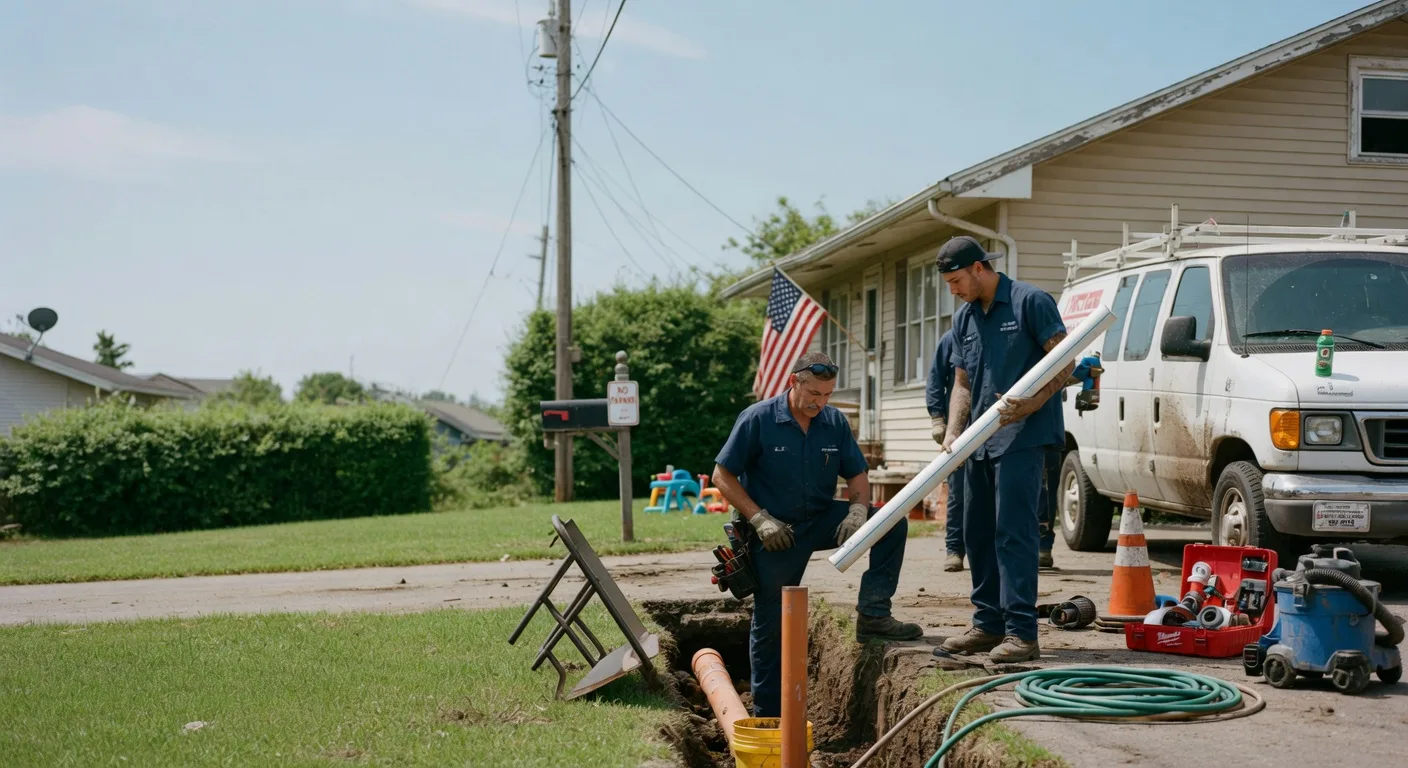
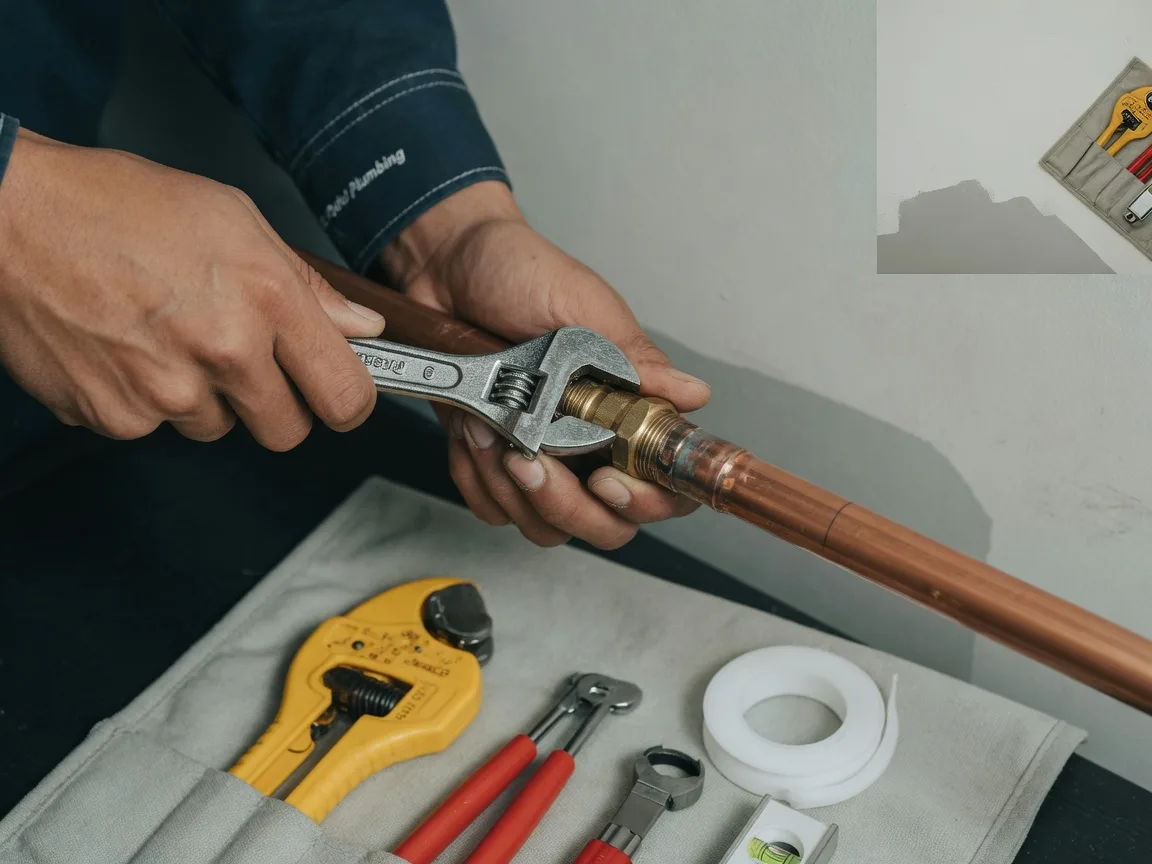
It depends on what is in the pipe and how far it reaches. A cable machine, sometimes called a snake, is usually enough for a localized clog from hair, paper, or a small root intrusion. The rotating cable punches a channel through the blockage and restores flow, and for a single slow bathroom sink or tub that is all the job needs. The limit of a cable is what it leaves behind. It opens a hole through the middle of a clog, but grease, scale, and sludge stay stuck to the pipe wall, so the line narrows again within weeks. Hydro jetting sends high-pressure water through the line and scours the full interior wall. It is the better call for grease coating a kitchen line, recurring clogs in the same spot, roots that were cut back once and returned, or a line that keeps slowing down after cabling. A jetter needs a reachable cleanout, and it is not right for a pipe that is cracked or collapsing. That is where a camera comes in. A camera inspection shows the pipe's condition before the plumber chooses a method. The plumber decides after seeing the line, and that choice affects the cost of the visit for a home in Shelby, MS.
One practical point is that the choice is not always made in advance. A plumber often starts with a cable, finds out what is actually in the line, and then moves to a jetter if the cable returns with grease or sludge instead of a clean break. For that reason it helps to ask which method is planned and what would make the plumber change course. Jetting also depends on pipe condition, which is another reason a camera sometimes comes first on an older line. Clay and cast iron that are thin, cracked, or shifted can be damaged by high pressure, while newer plastic pipe handles it well. Water use matters too: a jetter sends a lot of water into the line, so the drain has to be open and flowing downstream. After either method, run water for several minutes and watch for slow spots or gurgling that might mean something is still in the way.
My house is old and the sewer might be Orangeburg pipe. What does that mean for cleaning?
Orangeburg is a pipe made from wood pulp fibers pressed together and sealed with pitch, also called bituminous fiber. It was used for house sewer lines in the middle of the last century, and some homes still have it between the building and the street. It was never as strong as clay, cast iron or modern plastic.
Over time the pipe softens and loses its shape. It can turn oval, sag, flake at the inside wall or collapse. Joints are easy targets for roots. So an old house with repeated backups and a history of roots or low spots may be sitting on this kind of line, though only a camera can confirm the pipe material.
That matters for cleaning, because the usual tools are rougher on Orangeburg than on other pipe. A heavy cutting head on a cable can tear at a soft wall. High pressure from a jetting nozzle can strip layers off or push through a weak spot. A plumber who knows or suspects the material will start with a camera inspection, use gentler tools, and avoid forcing a machine through a section that has already deformed.
Tell the plumber on the phone how old the house is, any earlier line repairs, and whether the line has been cleaned before. If you can, mention what you have seen: slow drains, a repeat clog, wet soil over the line.
Safe checks you can do:
Ask whether any earlier paperwork notes the pipe type. Limit water use if backups are frequent.
Stop running water and call now if sewage is coming into the house or the yard.
Cleaning may buy time on a line in fair shape, but it does not strengthen the pipe. If the camera shows a collapsed or badly ovaled section, the realistic options are lining where the shape allows it, or replacing the line. Cost depends on pipe length and depth, access, what has to be dug or removed, the repair method and permits under local code. To be connected with an independent local plumber in Shelby, MS, call Expert Plumbers Co on (380) 262-9173.
The house has old galvanized steel drain lines. Why do they keep clogging, and what can cleaning fix?
Galvanized steel was used for drains in older houses, and it ages badly. The zinc coating wears off, the steel underneath rusts, and the inside wall turns rough and flaky. Rust scale builds up in layers, so the pipe gets narrower every year. Hair, soap and grease catch on that rough surface much more easily than on smooth plastic.
That is why you may see slow drains that clear for a few weeks and then slow down again. Threaded joints and fittings also form ledges where debris collects, and horizontal runs with little fall hold water and silt.
What cleaning can do: a cable machine can open a clog and scrape some loose scale off the wall. Hydro jetting can strip more of the buildup and restore much of the bore, as long as the pipe is still sound. A camera look first shows how thick the scale is and whether the steel is thinning.
What cleaning cannot do: it cannot make a worn pipe new. Rust scale can be holding a weak spot together, and aggressive cleaning of a pipe that is corroded through can open a leak or let a section collapse. A pipe that has pinholes, rusted fittings or wet stains at the joints is near the end of its life, and clearing it again and again is a short-term answer.
Do not use chemical drain cleaners on old steel. They sit in low spots and speed up the damage, and they are a hazard for whoever opens the line afterward.
A safe check: look in the basement or crawlspace for rust streaks, flaking, drips or damp spots on the drain pipes. If you see them, or if every fixture on the same stack runs slowly, tell the plumber what you found.
If a section is too far gone, the usual choices are to replace the worn runs with modern pipe or, for some lines, to line them. Cost depends on how much pipe is involved, how easy it is to reach, whether walls or floors must be opened, the materials, and local permit rules.
Expert Plumbers Co can connect you with an independent plumber in Shelby, MS for this: call (380) 262-9173.
The outdoor drain by my driveway, patio or basement stairwell floods in heavy rain. Who clears that?
"The drain by my driveway floods every time it rains hard." Outdoor drains at driveways, patios and basement stairwells fail in heavy rain because they are built to move a lot of water quickly, and leaves, silt and gravel stop that. The grate clogs, then the pipe below fills.
The first thing to know is where it goes. Many exterior area drains tie into a storm line or a dry well, not the sanitary sewer. Some connect to the house drain, and rules vary by area on whether that is allowed. Where the pipe ends decides who can service it, what tools make sense and whether a permit is involved.
Common causes are packed leaves and silt in the drain body, a pipe crushed or shifted by a root or vehicle, tree roots entering a joint, a pipe with too little fall so it holds water, and a storm line that is full or backed up downstream. In a stairwell, the pipe often runs to a lower point and can clog with mud.
If one outdoor drain floods and the rest of the house drains normally, the blockage is in that outdoor branch. If basement floor drains and toilets back up in the same storm, the drain may be tied to the house drain or the main line is overloaded. Check which, because that changes the repair.
Safe homeowner check: Take the grate off and clear leaves and debris by hand with gloves. Look into the drain with a light. Pour a bucket of water in and watch if it drains or stands. Note whether the problem happens only in heavy rain. Do not stand in standing water near electric outlets, and do not poke the pipe with a rod that could crack it.
Stop running water and call now if water is entering the house through a door or foundation, a basement drain is rising, sewage smell comes with the flooding, or the water backs up into indoor fixtures.
A cable machine can clear soft debris and some roots. Hydro jetting is better for packed silt and fine roots in a longer run. A camera inspection helps when the drain keeps flooding, because it shows a collapsed section, a belly holding water, or where the line actually discharges.
Expert Plumbers Co is a referral service. We connect you with an independent local plumber in Shelby, MS. Call (380) 262-9173.
Ask the plumber where the drain discharges and whether it can be reached with a cleanout. Ask whether a repair or regrading is needed, not just clearing. Cost depends on access, the parts or materials needed, how much of the paving or soil has to be opened up or removed, and any permit or code requirement.
Does drain cleaning or sewer line repair need a permit?
You need a drain cleared or a sewer line fixed, and you want to know whether the work needs a permit before anyone starts. The answer depends on what is being done.
Drain cleaning usually needs no permit. Clearing a blockage with a cable machine, running a hydro jet, or putting a camera in the line does not change the plumbing system, so most areas treat it as maintenance.
Repair or replacement of a building sewer usually does need one. The building sewer is the pipe from the house to the main in the street. Fixing a collapsed section, replacing a root-damaged clay line, or digging out a bellied run changes the system, so it is normally permitted and inspected. If the dig reaches the street, curb or public right of way, a separate permit may be needed. Rules vary by area, so check with your local building or public works office, or ask the plumber what applies in Shelby, MS.
The cause points the way. Root intrusion at a clay joint, grease build-up on the pipe wall, scale in cast iron or a blocked vent stack are usually cleaning jobs. A failed sewer lateral, a bellied line that holds water, or a broken pipe is a repair, and that is where permits come in.
One slow fixture rarely leads to a permit question. If every drain in the house is backing up, the main line is involved, and a camera inspection will show whether cleaning will do or a repair is needed.
Safe homeowner check: Find your cleanout and note where it is. Find out where your property line sits, since that affects who is responsible for which part of the line. Call your local building department and ask what work needs a permit.
Stop running water and call now if sewage is coming up inside, if the yard is wet or sunken over the line, or if you smell sewage. Safety comes before paperwork.
A cable machine is enough for a soft clog. Hydro jetting is the next step for grease or scale. A camera inspection shows whether a repair is needed, and that finding is usually what leads to a permit.
Expert Plumbers Co is a referral service. We connect you with an independent local plumber in Shelby, MS. Call (380) 262-9173.
Ask the plumber who handles the permit, whether an inspection is required, and how that affects the schedule. The scope depends on how much of the line has to be opened up, access, parts and materials, any right-of-way work, and the code requirements in your area.